
Empty gym class spots represent direct lost revenue and underutilized resources for fitness businesses. Optimizing class attendance is crucial for profitability. AI algorithms offer a data-driven approach to predict demand, reduce no-shows, and maximize studio capacity. This shift from manual scheduling to intelligent automation directly impacts a gym's bottom line. The fitness industry operates on tight margins. Every empty spot in a group class or last-minute cancellation eats into potential profit. Gym owners face a tough challenge: scheduling classes that perfectly match member demand, managing instructor resources efficiently, and keeping members engaged. The stakes are higher than ever, pushing operators to seek advanced solutions beyond traditional methods.
The Evolution of Fitness Management: From Manual Tracking to AI
Low attendance and empty studio spots directly hit a fitness business's bottom line. Historically, gym owners often scheduled classes based on intuition or simple past data. This frequently meant overstaffing during slow times or missing out on revenue when popular classes were full but could have run more sessions. Relying on "gut feelings" for scheduling might seem easy, but it often misses the complex, changing factors that influence attendance. We're talking about seasonal shifts, local happenings, instructor popularity, member demographics, and even the weather. The weaknesses of these old methods show up clearly in inconsistent attendance and wasted resources. At Tropikal, we've seen firsthand how sticking to static schedules creates a big gap between what members want and what the gym provides. Moving to data-driven decisions in boutique fitness isn't just a nice-to-have anymore; it's essential for staying competitive. Industry analysts, like those at Deloitte, widely discuss this digital transformation in fitness.
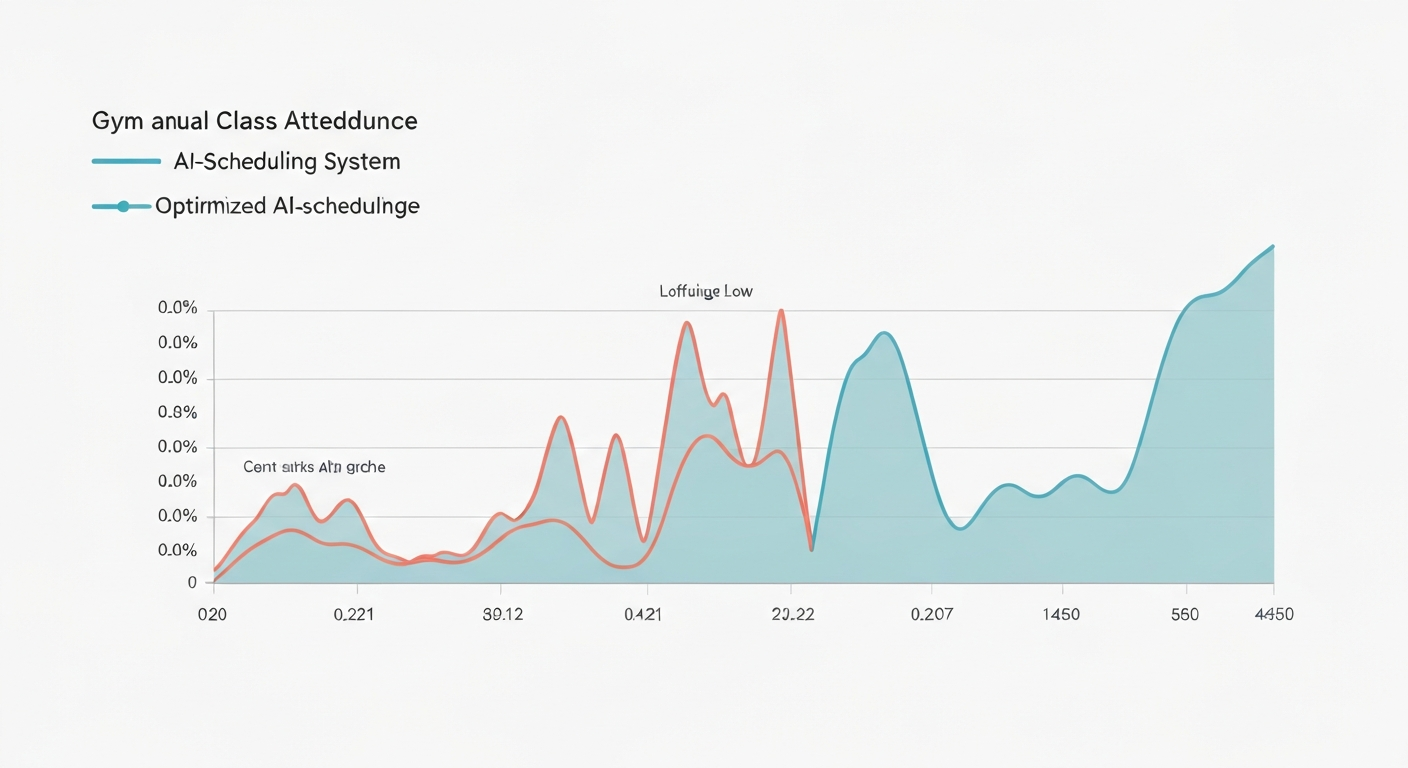
Key AI Algorithms Driving Attendance Optimization
AI algorithms offer the mathematical foundation for understanding and predicting what members will do. This helps gyms stop guessing. Time-Series Analysis, for instance, lets algorithms predict seasonal and weekly attendance trends by looking at past booking and check-in data. A gym might see more people in morning classes on weekdays, but evening classes fill up on weekends. Models like Prophet or ARIMA in Python can forecast these patterns accurately, predicting future demand spikes or dips. This means a gym can tweak its schedule weeks or even months ahead. Random Forest and Gradient Boosting models are great for classifying member behavior. They pinpoint what makes someone a consistent attendee versus someone who often cancels. These models can crunch various data points—membership type, past attendance, booking habits, even email engagement—to predict if a member will show up for a booked class. This predictive insight helps spot at-risk bookings. Clustering algorithms, like K-Means or DBSCAN, sort members by their class preferences and how often they attend. Say you have a member who always goes to HIIT but rarely yoga. A clustering algorithm can group them with others who like similar classes. This makes personalized class recommendations possible. Tools like scikit-learn help achieve this kind of segmentation in a data pipeline. When we build automation for boutique fitness clients, we often start with these foundational algorithms to get a clear picture of their member base. For example, a boutique cycling studio in a big city was struggling with inconsistent class fill rates. They used a time-series model with two years of booking data. The model, trained with TensorFlow, showed that attendance shifted a lot around public holidays and certain lunchtimes. By adjusting their schedule based on these predictions, the studio boosted its average class fill rate, leading to more monthly revenue.
Predictive Scheduling: Aligning Supply with Demand
Predictive scheduling makes sure a gym's classes truly match member demand. This means fewer empty spots and instructors used more efficiently. Looking at historical data is key to finding high-demand times and popular instructors. AI models can crunch years of check-in data, booking patterns, and even member feedback. They pinpoint which classes, instructors, and times consistently draw the biggest crowds. This analysis goes beyond simple averages. It uncovers subtle patterns, like certain instructors being popular for specific class types or demand peaking on particular days. Dynamic schedule changes, based on how fast classes are booking in real-time, keep gyms nimble. If a new class fills quickly after being announced, an AI system can suggest adding another session or expanding capacity if possible. On the flip side, if a class has very few bookings close to its start time, the system might flag it for cancellation or suggest specific promotions. Platforms like Zapier can orchestrate this real-time response, linking booking data to a custom scheduling algorithm. One pattern we see across our client base is the struggle with instructor allocation. AI helps cut overhead by optimizing this. Instead of assigning instructors with fixed schedules, AI predicts who is most needed for certain class types and times. This ensures popular instructors teach high-demand classes, and less popular slots are covered efficiently without overpaying for staff who aren't busy.
| Feature | Manual Scheduling | AI-Driven Predictive Scheduling |
|---|---|---|
| Data Source | Anecdotal evidence, basic historical aggregates | Comprehensive historical, real-time, and external data |
| Decision Logic | Intuition, fixed rules, personal preferences | Machine learning models, statistical analysis |
| Adaptability | Slow, reactive to major changes | Fast, proactive, real-time adjustments |
| Resource Use | Often inefficient (over/understaffing) | Optimized instructor and space utilization |
| Accuracy | Variable, prone to human error | High, continuously improving with new data |
| Member Focus | General, one-size-fits-all | Personalized recommendations, demand-aligned |
| Cost Impact | Higher operational costs from inefficiency | Reduced overhead, increased revenue per class |
Reducing No-Shows with Automated Member Engagement
No-shows are a constant headache for gyms. They mean lost revenue and frustrated members stuck on waitlists. AI provides answers through proactive engagement. Sending AI-driven "nudge" notifications, based on a member's past attendance, can really cut down on no-shows. If someone often cancels or misses early morning classes, for instance, an AI system could send a personalized reminder the night before. It might even offer a flexible rebooking option for a later class. These nudges work best when they're specific to individual habits, not just generic alerts. We often find that generic reminders get ignored. Churn prediction helps spot members who are likely to cancel their bookings, opening the door for targeted intervention. An AI model might flag a member who has booked but not attended classes for several weeks as high-risk. This lets the gym reach out with a personalized message or offer, encouraging them to attend. This could happen through a platform like Mindbody, integrated with a custom AI module. Personalized class recommendations also boost how often members book. They see options they're genuinely interested in. By looking at a member's past attendance, favorite instructors, and even workout intensity, AI can suggest new classes or instructors that fit their profile. This doesn't just increase attendance; it makes the member experience better. They feel understood and valued. The power of personalization in customer engagement is well-known across many industries, as Forbes highlights. Take a mid-sized gym with a steady no-show rate for popular evening classes. They put an AI system in place that analyzed member booking and attendance history. For members who often missed bookings, the system automatically sent a text reminder 24 hours before the class, followed by a personalized email offering to help reschedule if their plans had changed. This focused approach significantly reduced no-shows for those members, opening up spots and boosting overall class use.
Dynamic Capacity and Waitlist Management
Making the most of every available spot in a class is vital for boosting revenue and keeping members happy. AI shines here by managing capacity dynamically. Smart waitlist algorithms fill openings instantly using predictive probability. Forget the basic first-come, first-served waitlist. An AI system can prioritize members based on how likely they are to attend if a spot opens, or their past engagement with the gym. This ensures open spots go to members most likely to show up, cutting down on last-minute waitlist cancellations. We've seen this dramatically improve fill rates for our clients. Overbooking strategies can also account for statistically probable late cancellations. Airlines overbook flights based on historical no-show rates; gyms can do the same for popular classes. An AI model