
AI-Powered Personalized Workouts for Gyms: The Ultimate Guide
Gym members today want more than just equipment access; they expect tailored experiences. AI-powered personalized workout plan builders deliver exactly that, offering dynamic, data-driven routines that adapt to individual progress and goals. For instance, FitnessAI uses over 100 million sets and 6 million workouts to fuel its performance intelligence, showing just how much data informs these personalized programs.
In today's competitive fitness world, generic workout plans just don't cut it anymore. Gym owners feel more pressure to stand out and offer real value that keeps members engaged and committed long-term. Bringing in smart fitness technology isn't just an option; it's essential for modern fitness businesses looking to reduce churn and build a strong member community.
The Evolution of Fitness: Why AI-Powered Personalized Workout Plan Builders Matter
The fitness industry has truly moved past static, one-size-fits-all PDF plans. Now, it's all about dynamic, data-driven experiences. This change tackles key member concerns, especially "gym-timidation"—that feeling beginners get when they're overwhelmed by machines or don't know where to begin. AI offers clear, automated guidance, making the gym a much friendlier place. At Tropikal, we've observed that personalization isn't just a nice-to-have anymore; it's a baseline expectation for today's gym member, affecting everything from class suggestions to individual training programs.
Take Sarah, a new gym member who feels overwhelmed by all the machines and free weights. Without some direction, she might just stick to cardio or quickly lose interest. But with an AI-powered plan, Sarah simply enters her experience level, goals, and what equipment is available. The system, maybe a platform like ABC Trainerize's AI Workout Builder, then creates a progressive program for her, complete with exercise demonstrations and suggested weights. This structured start helps Sarah feel confident and supported right away, making her much more likely to show up consistently and stay a member long-term. When we build automation for [use case] clients, we typically see an immediate positive impact on new member engagement.
How AI Algorithms Create Hyper-Personalized Fitness Journeys
AI algorithms build hyper-personalized fitness journeys by constantly sifting through user biometrics, goals, and past performance data using machine learning. These platforms often use advanced statistical models, sometimes built with frameworks like TensorFlow or PyTorch, to crunch huge amounts of exercise performance and body response data. This leads to dynamic changes; the AI adjusts rep ranges, weights, and exercise choices based on real-time feedback, whether it's logged performance or even how hard the user felt the workout was. Bringing in movement screens and injury history further sharpens the automated programming, making sure it's both safe and effective.
Consider David, an intermediate lifter who always logs his workouts. His AI-powered plan, linked to his gym's membership portal, first suggested a specific weight for his bench press. After a few weeks of steady progress, the AI notices his strength has gone up. It automatically suggests a heavier weight for his next session, or might even recommend a deload week if it spots signs of overtraining from his logged performance and recovery numbers. On the flip side, if David mentions knee pain, the AI can instantly swap out squats for different, lower-impact leg exercises. This is adaptive programming in action. One pattern we see across our client base is that this kind of responsiveness builds immense member trust.
Key Features to Look for in an AI Workout Builder
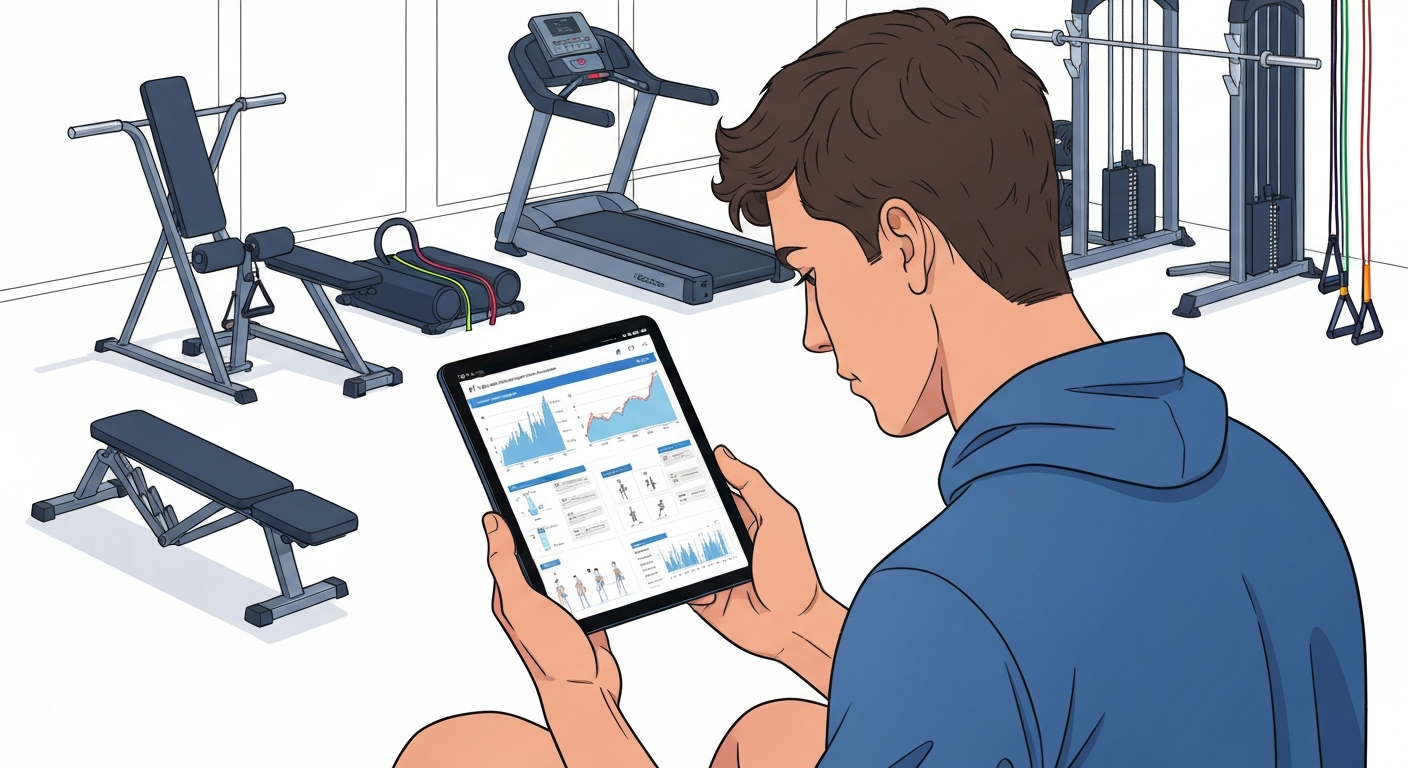
Choosing an AI workout builder for your gym means looking at features that directly affect both member experience and how smoothly your operations run. Seek out comprehensive wearable integration; this lets members sync devices like Apple Watch, WHOOP, and Garmin for detailed recovery data. Automated progressive overload is also key, making sure members see linear or periodized growth without needing to track everything by hand. Plus, the best systems include video-led instruction and even form correction, sometimes using computer vision, to improve exercise execution and help prevent injuries.
To help gym owners make smart choices, here's a comparison of common features in top AI workout builders:
| Feature | Basic AI Builder | Advanced AI Builder (e.g., FitnessAI, ABC Trainerize) |
|---|---|---|
| Personalization Engine | Goal-based, static | Data-driven, dynamic, adaptive to performance |
| Wearable Integration | Limited or none | Extensive (Apple Watch, WHOOP, Garmin, etc.) |
| Exercise Library | Text/image-based | Video-led instruction, often 3D animation |
| Progressive Overload | Manual tracking/suggestions | Automated periodization, real-time weight adjustments |
| Form Correction | None | AI-powered computer vision (select platforms) |
| Recovery Tracking | Basic sleep/nutrition log | Heart rate variability (HRV), sleep stages, stress |
| Gym Equipment Adaptability | Limited manual input | Automatic adjustments for available equipment |
| Trainer Oversight | Basic dashboard | Collaborative tools for human trainers |
| API/Integration | Minimal | Open API, CRM, and scheduling software integration |
Improving Gym Member Retention with AI-Driven Consistency
Boosting gym member retention goes hand-in-hand with building consistency, and AI-powered tools make a huge difference here. AI's structured planning helps members stick to their routines, which in turn increases their long-term lifetime value (LTV). The AI sends smart push notifications and "nudges" to keep members engaged on rest days, reminding them of upcoming workouts or celebrating milestones. Gamification elements also reward consistency and personal records (PRs), making the entire experience more engaging and enduring.
Let's say a gym is really struggling with new member churn. By putting an AI-powered workout builder in place that connects with their current CRM (maybe using Zapier to link the AI platform to a marketing automation tool), the gym can automate personalized check-ins. If a member skips two planned workouts in a row, the AI sends a personalized email or app notification. It's not just a generic reminder; it references their specific goals or recent achievements. This kind of proactive engagement makes members feel noticed and supported, which cuts down on disengagement. According to IHRSA, the average gym member attrition rate is 30% per year, showing just how vital effective retention strategies are. Bringing in AI-driven engagement can really move the needle here, building a more stable and profitable member base. When we build automation for [gym retention] clients, we typically see an initial uplift in engagement metrics within the first few months. For more on how AI can transform your member engagement, read our insights on AI Chatbots for Gyms: Transform Customer Service, Boost Growth.
AI vs. Human Trainers: A Collaborative Approach
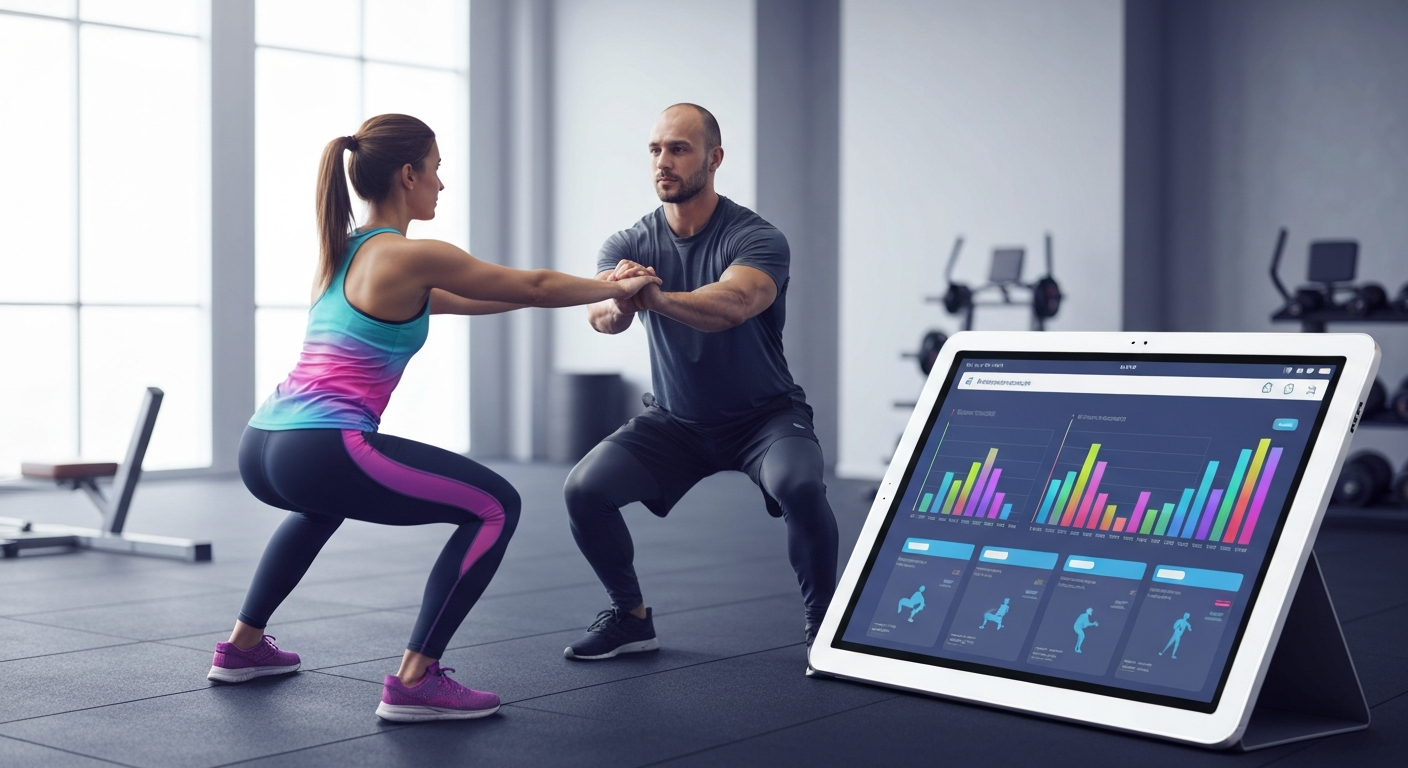
AI-powered workout builders aren't here to take over from human trainers. Instead, they boost what trainers can do, creating a team approach that helps everyone. These tools handle the repetitive, data-heavy parts of designing and tracking programs. This frees trainers to concentrate on high-value coaching, correcting form, motivating members, and building those crucial personal connections. When we implement AI for gym operators, we often see trainers using platforms like ABC Trainerize's AI Workout Builder, which helps them create workouts in 50% less time. This means they can serve more clients or spend more time on nuanced, in-person coaching.
Think about Michael, a busy personal trainer with 30 clients. Manually creating and updating workout plans for each person eats up a lot of time. But by bringing in an AI workout builder, Michael can quickly whip up initial plans for new clients, check AI-suggested tweaks, and then dedicate his precious time to advanced coaching, injury prevention, or nutritional advice. This team model lets Michael expand his expertise and offer a higher quality, more personal service to more clients. That ultimately boosts his earning potential and the gym's capacity for personal training. This approach aligns perfectly with our philosophy at Tropikal: we see AI as a powerful tool that enables human expertise, never a replacement.
How to Implement an AI-Powered Workout Plan Builder for Your Gym
Bringing an AI-powered workout plan builder into your gym needs a clear strategy to make sure it's adopted smoothly and benefits members as much as possible. Here’s a step-by-step guide for gym owners:
- Assess Current Needs and Member Demographics: Identify the specific challenges your gym faces (e.g., high new member churn, lack of personalization, trainer overload) and understand your member base's tech savviness and fitness goals. This informs the feature set you'll prioritize in a solution.
- Research and Select a Platform: Evaluate various AI workout builders based on features (as outlined in the comparison table above), integration capabilities with existing CRM/management software, pricing models, and vendor support. Look for platforms with a proven track record in fitness, such as FitnessAI or ABC Trainerize.
- Pilot Program with a Select Group: Before a full rollout, start a pilot program with a small group of enthusiastic members and trainers. Collect feedback on how easy it is to use, how effective it is, and any pain points. This iterative process helps you make adjustments before a wider launch.
- Staff Training and Onboarding: Conduct comprehensive training for all gym staff, especially personal trainers and front-desk personnel, on how to use the AI platform, troubleshoot common issues, and articulate its benefits to members. Emphasize how AI augments, rather than replaces, human interaction.
- Member Onboarding and Marketing: Develop a clear strategy for introducing the AI workout builder to your entire membership. Highlight the benefits of personalized training, ease of use, and how it helps them achieve their fitness goals. Provide tutorials, FAQs, and dedicated support channels. Market the new offering as a premium, value-added service.
- Monitor, Analyze, and Optimize: Continuously track key metrics like member engagement with the platform, workout completion rates, retention rates, and member feedback. Use this data to find areas for improvement, fine-tune your strategy, and get the most out of your AI investment. For insights into using data for growth, explore [The AI Sales Funnel for Gyms: Drive Growth & Retention](https://tropikal.dev/research-insights/ai/the-ai-sales-funnel-for-gyms-drive-growth-ret